
Galleries >> विज्ञान एवं प्रौद्योगिकी विरासत गैलरी
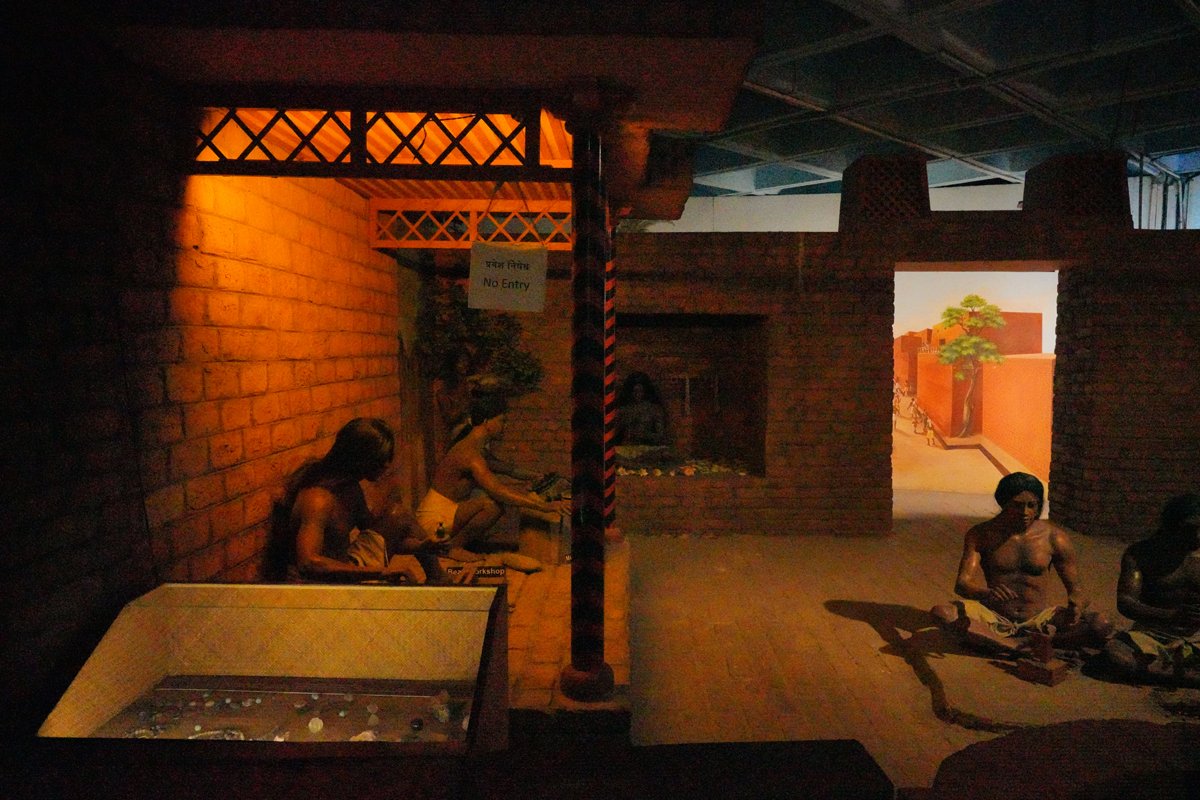
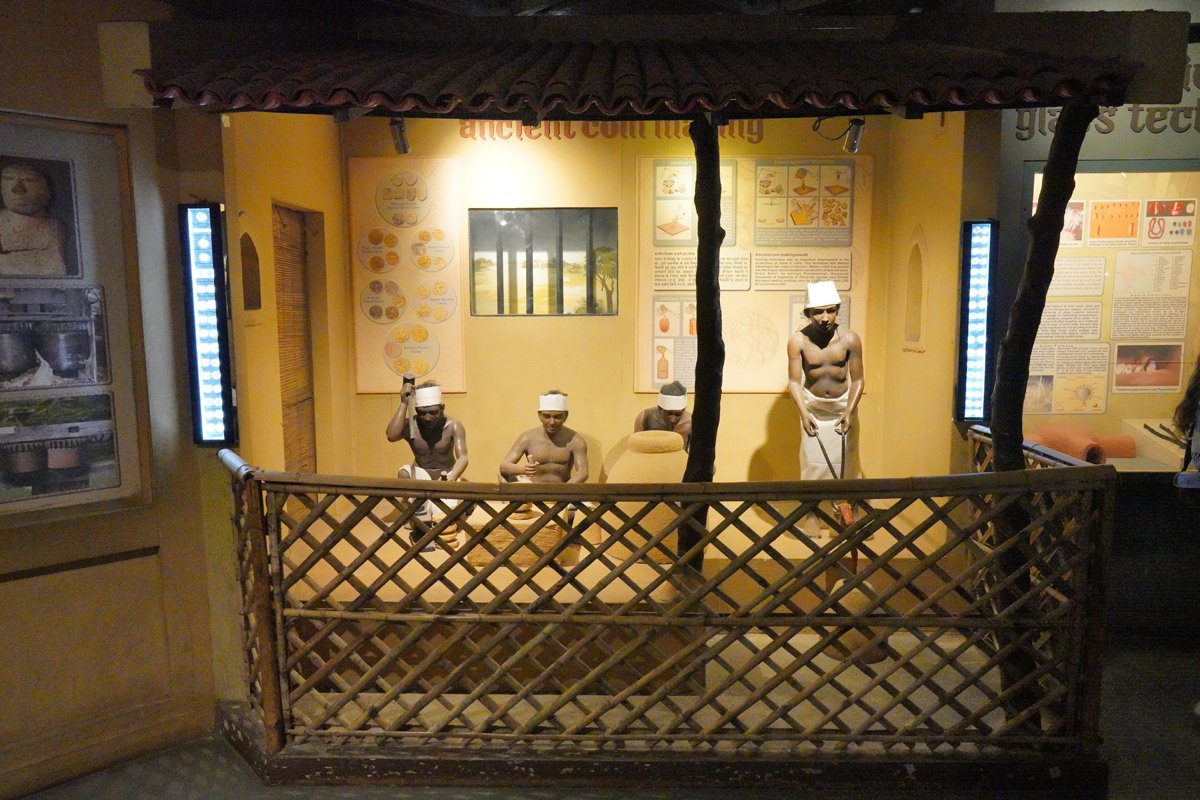
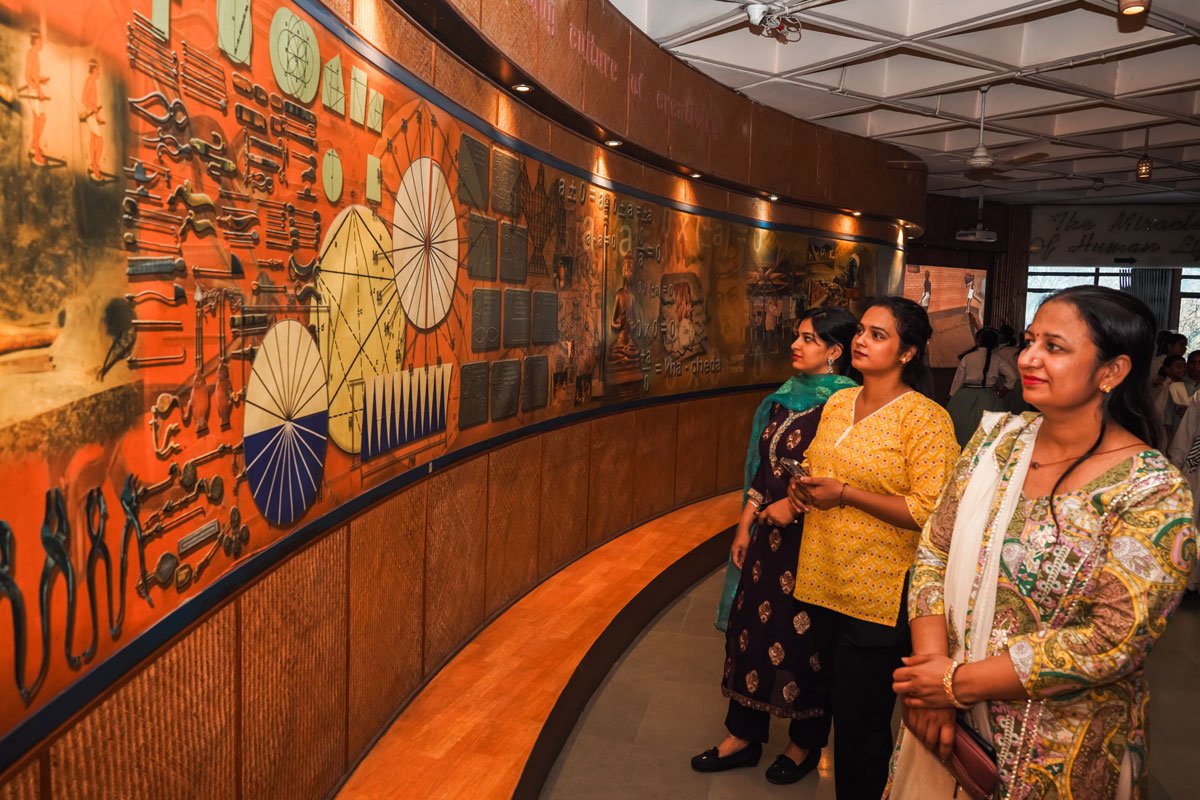
Starting with the Indus Valley Civilization, India’s science and technology heritage spans over 4,500 years, reflecting a continuous tradition of inquiry that evolved alongside art, literature, and philosophy. This gallery showcases the rich ancient Indian knowledge in the fields of science, engineering, and art—many aspects of which were far ahead of their time.
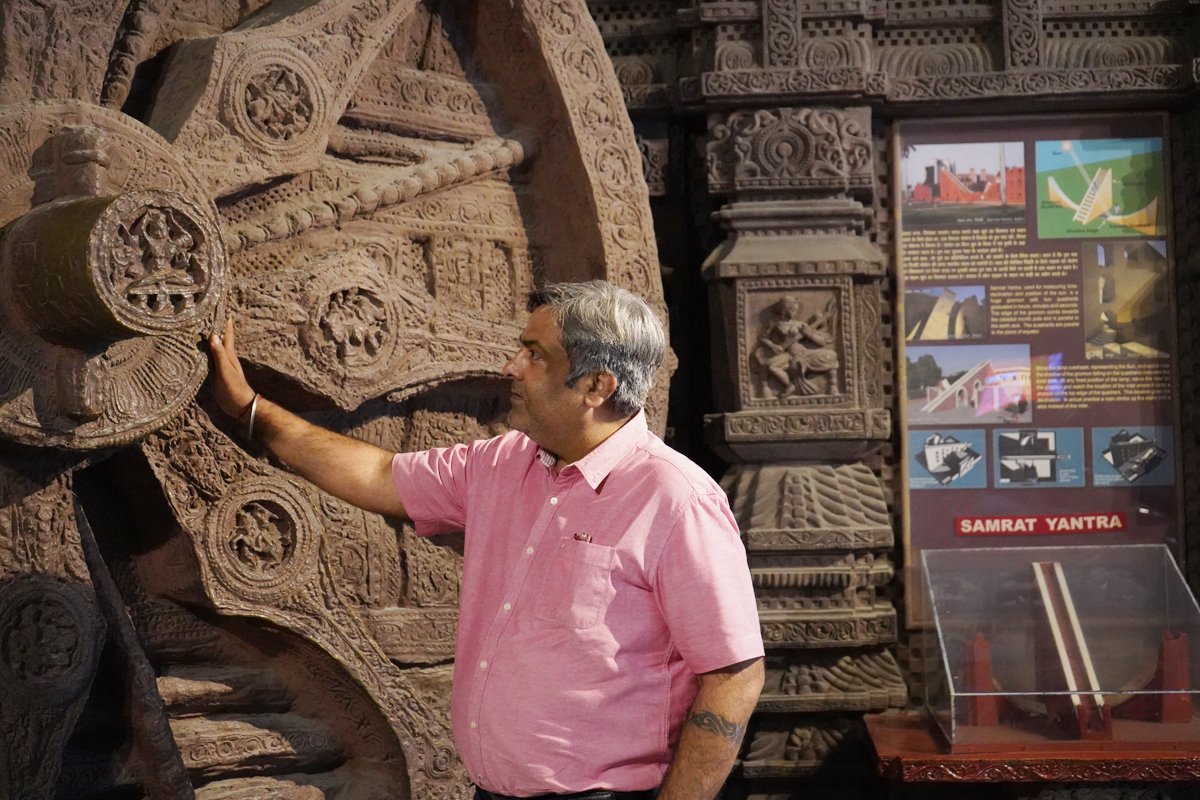
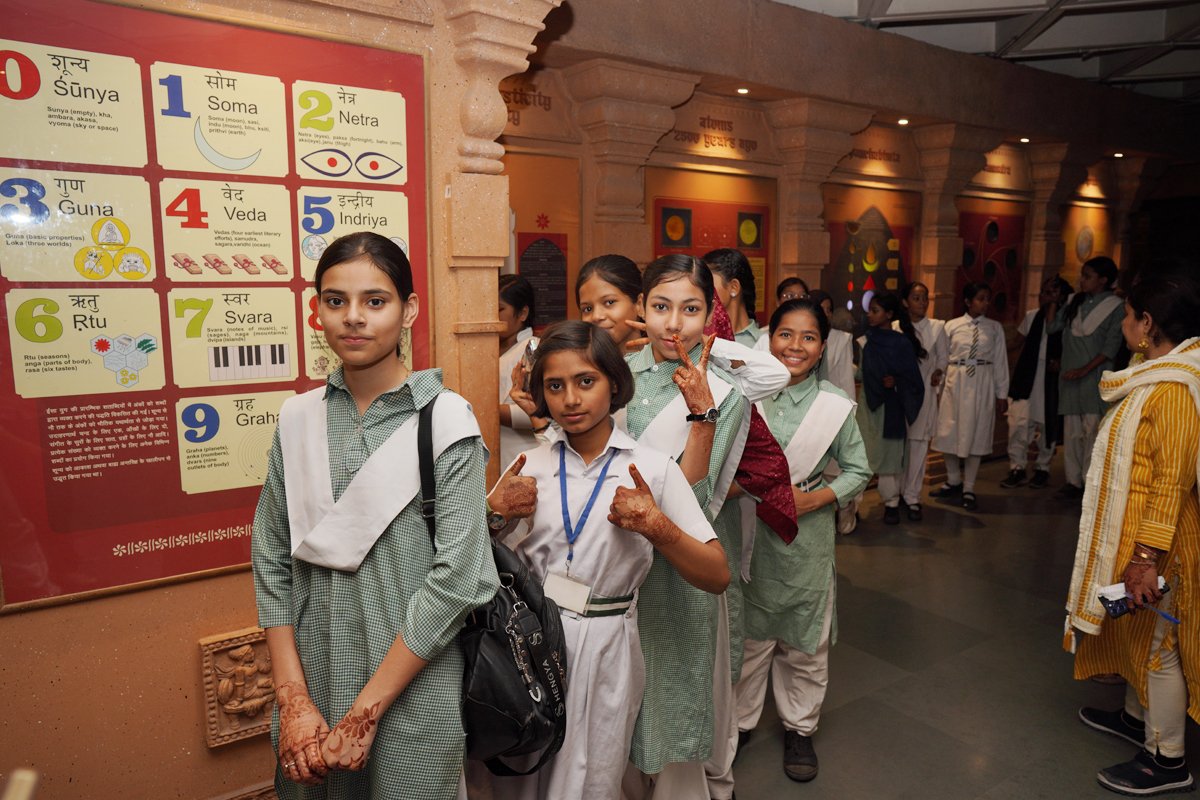
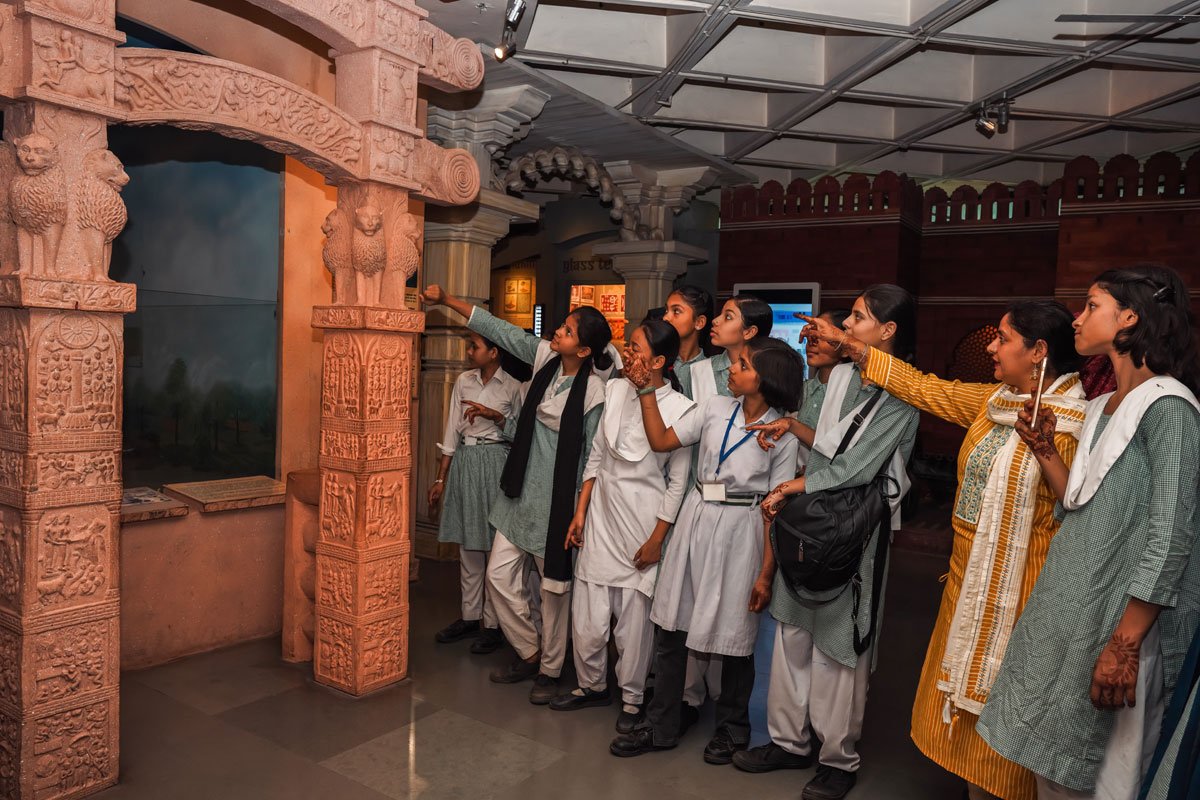
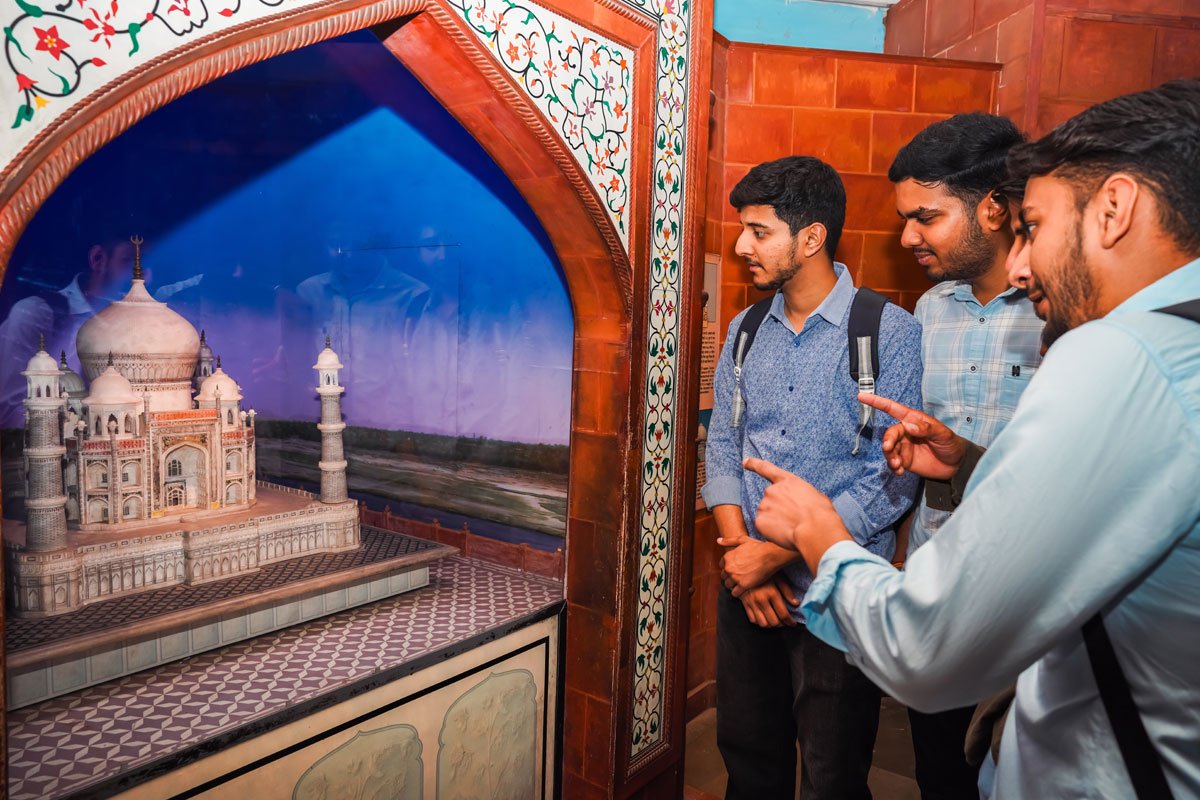
Ancient Indian texts recorded early ideas about matter, atomism, cosmic evolution, and mathematical abstraction. The concept of zero, the decimal place-value system, powers of ten, square and cube roots, and proportional methods were developed in India more than a millennium before their transmission to Europe.Indian astronomers systematically studied the Sun, Moon, and stars more than 3,000 years ago, culminating in monumental observatories such as JantarMantar built by Sawai Jai Singh II. Foundational medical texts such as Charaka Samhita, Sushruta Samhita, and AshtangaHridaya established enduring principles of Ayurveda and surgery.Architectural achievements across centuries demonstrate remarkable engineering and craftsmanship. Structures such as the Kailasa Temple, Brihadesvara Temple, Sanchi Stupa, Ashoka Pillars, QutubMinar, and the Taj Mahal reveal advanced knowledge of precision engineering, load distribution, materials, and stone technology. The Iron Pillar of Delhi stands as enduring evidence of sophisticated corrosion-resistant metallurgy achieved more than 1,500 years ago.
India’s scientific and technological progress has long been complemented by a strong cultural identity expressed through music, art, and craft. Indian music—from Hindustani classical music in the north to Carnatic music in the south—reflects emotional depth, spiritual thought, and rhythmic precision. This tradition also produced a rich variety of instruments such as the Sitar, Tabla, Veena, Bansuri, and Mridangam. Alongside music, India’s craft traditions—including handloom weaving, pottery, metalwork, wood carving, and textile arts—showcase the creativity and skill of generations of artisans.
Together, these achievements highlight the rich legacy of Indian scientific knowledge that forms the foundation for modern innovation. From advances in space science, nuclear technology, artificial intelligence, data science, biotechnology, and energy, India’s past continues to inspire progress toward a self-reliant and developed future.